Festival Puccini is a six-week summer programme on Lago di Massaciuccoli at Torre del Lago, seven kilometres south of Viareggio. It stages Puccini's repertoire at a purpose-built outdoor amphitheatre of about 3,200 seats, with water directly behind the stage and, on a clear evening, the serrated line of the Apuan Alps behind that. No other opera festival is devoted almost exclusively to one composer on the ground where he wrote.
It rewards a clear head about what it is and is not.
1. What it is
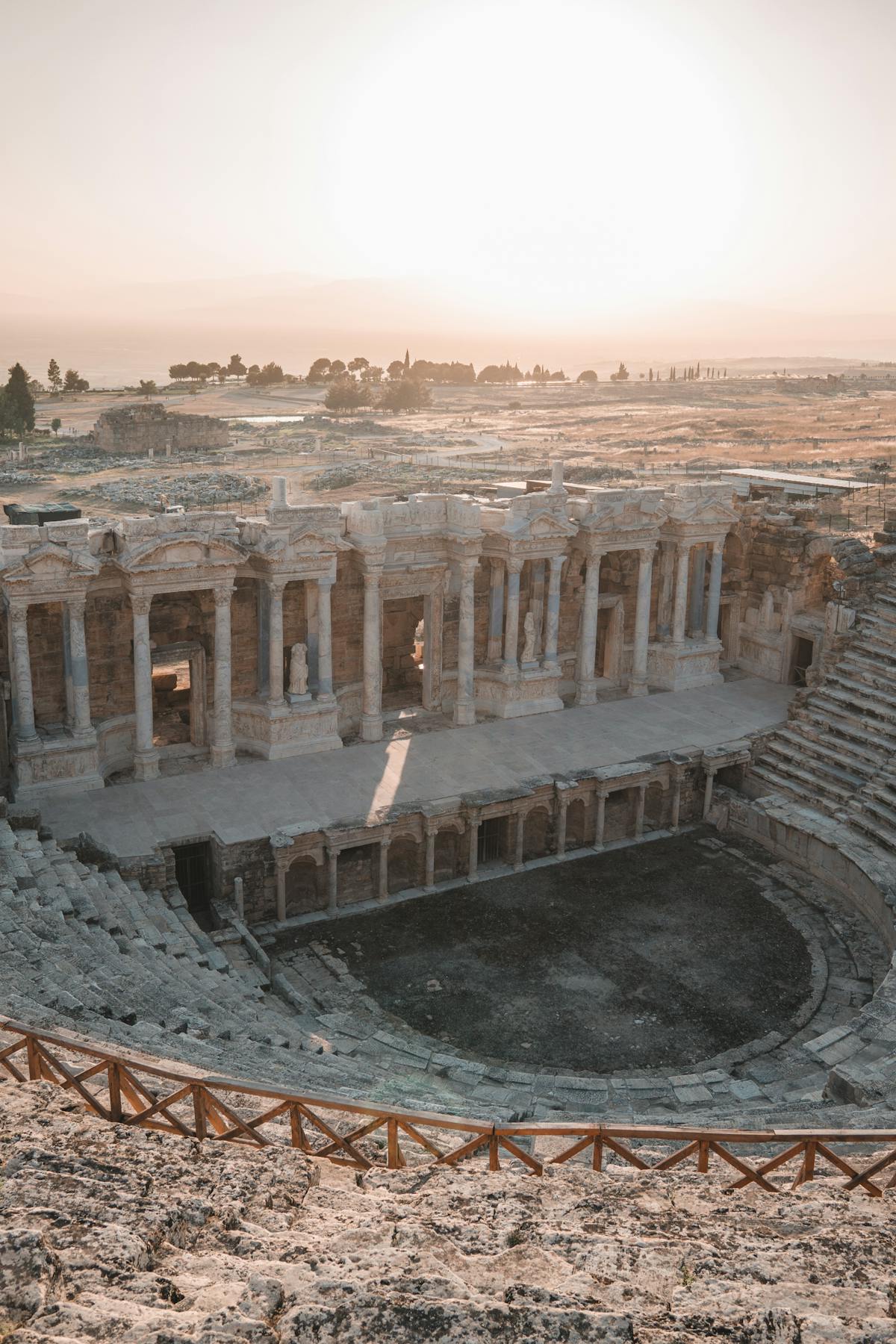
Gran Teatro all'Aperto Giacomo Puccini opened in its present form in 2008, replacing a smaller, more ramshackle stage that had served since the 1960s. It is rectangular rather than semicircular; the stage projects over the lake on piles, with water visible in the gaps between set pieces. Capacity is roughly 3,200, stratified into a central platea, wings of poltronissime and poltrone, and cheaper gradinate at the back.
A season runs typically six weekends from mid-July to late August, with two or three performances per weekend and occasional weekday dates. Programming offers four staged operas — Tosca, La Bohème, Madama Butterfly, and Turandot make up the reliable rotation — plus one or two gala concerts and an occasional non-Puccini guest work. Productions alternate between traditional costume stagings and sharper modernist readings, year by year. Not as conservative as Verona; not as consistently ambitious as Salzburg.
2. Why it's here specifically
Giacomo Puccini moved to Torre del Lago in 1891 and stayed, with short absences, until 1921. Villa Museo Puccini — his house, converted to a public museum — sits a three-minute walk from the theatre. A chapel inside holds his grave and his wife's. This is not incidental. Tosca was drafted here. La Bohème was finished here. Most of Madama Butterfly and early sketches of Turandot were written at a piano roughly 200 metres from the current stage.
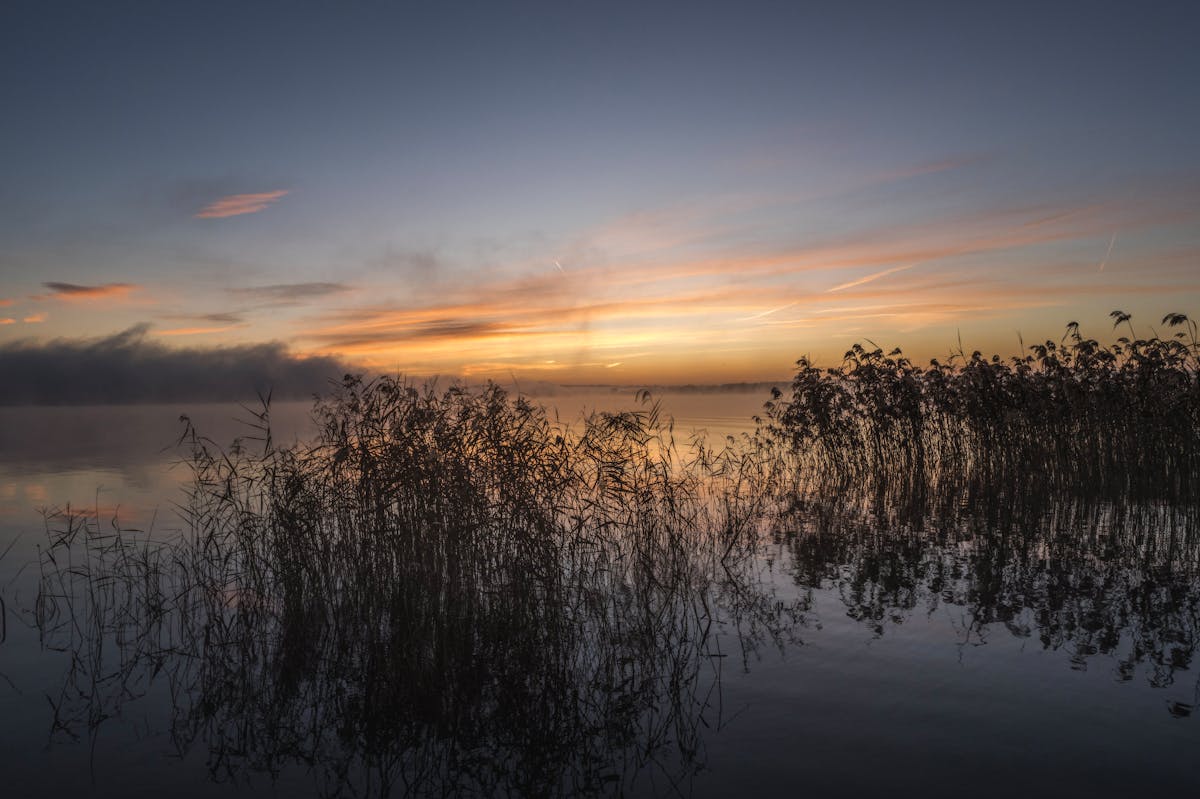
"Torre del Lago is the supreme joy, paradise, eden, empyrean, vestibule of heaven." Puccini wrote this, more than once, to friends. The reeds and the low mist off the water in the photographs from his lifetime look identical to the reeds and mist today. Very little has changed visually at the lake's edge.
This is the festival's unrepeatable asset. Any competent regional opera house can stage Tosca. Only Torre del Lago can stage it a hundred metres from the room where the second act was put on paper, with the same birds, the same light on the same water. Whether one finds that moving or merely a piece of agreeable biographical trivia is a matter of temperament. Pricing assumes the former.
3. How to book (and when not to)
Tickets are sold through the festival's own website and — with a small surcharge — through regional agencies. Prices in recent seasons have stratified as follows.
| Tier | Typical price | What you get | Our view |
|---|---|---|---|
| Platea Gold / Poltronissima | €150 – €200 | Front-central rows, best sightlines, best mix | Worth it only for a premiere or a marquee cast |
| Poltrona | €90 – €130 | Centre block, further back; still well-mixed | The sensible price-to-quality choice |
| Settore laterale | €60 – €90 | Side seating, acoustic compromise | Acceptable if the opera is one you already know |
| Gradinata | €30 – €50 | Back tiers, obstructed corners occur | Fine for a first visit; check specific seat number |
A few rules apply. Opening nights and closing galas carry a 20 to 40 per cent surcharge; a mid-season Tuesday performance of the same opera often sells at two-thirds the price with no drop in quality. Subscription packages — two or three operas bundled — typically undercut single-ticket pricing by 15 to 20 per cent but commit you to specific dates months ahead.
When not to book: the first weekend of August. It is the most expensive window of the season, coincides with peak domestic Italian holiday traffic, and SS1 north of Pisa turns into a long queue of hire cars. Late July or the last week of August are better value on every axis.
4. What to expect from the acoustics
An outdoor theatre of 3,200 seats on open water cannot produce the acoustic of a sealed opera house, and the festival does not pretend otherwise. Amplification is used. This is the single fact most likely to disappoint a visitor arriving straight from La Scala or Covent Garden, and it deserves to be stated plainly rather than buried in a footnote.
How well the amplification works is production-dependent. Some years the sound design is careful and nearly invisible: voices sit forward, the orchestra breathes. Other years the mix is boxy, with obvious level jumps when a singer moves off-axis. Reviews in the Italian specialist press — Operaclick, L'Ape Musicale — are the best early indicator of a given season's audio form and should be checked before committing to high-tier seats.
5. Practical notes
- Getting there. A regional Trenitalia train from Viareggio to Pisa stops at Torre del Lago–Viareggio, a flat fifteen-minute walk or a five-minute shuttle from the theatre. Paid festival shuttles are timed to performances.
- Parking. A large paid lot operates next to the venue. Arrive an hour before curtain on a Saturday in August or expect to queue.
- Dress. No formal code. Most of the audience is in light linen; a jacket is worth having after 22:30 when the air off the lake cools sharply.
- Food. On-site bars are adequate and slow. Trattorie on the lakefront promenade toward the Villa Museo are better; book for before the show, not after.
- Interval. Around 25 minutes — long enough for a drink, short enough that a walk to the villa and back will make you late.
- Weather. Performances go ahead in light rain. Heavy storms push curtain back by 30 to 60 minutes; a full cancellation is credited, not refunded. Pack a thin waterproof.
- Mosquitoes. Yes. Repellent is sold at the door, but bring your own.
Background and context, if the visit prompts deeper reading: programme archives at puccinifestival.it, the Wikipedia entry for Festival Puccini, and Versilia pages at Lonely Planet for a general frame.
For the rest of the lakefront, which is worth an afternoon of its own, see our entry on Marina di Torre del Lago. For carnival workshops fifteen minutes north — another piece of Versilia's peculiar summer mythology — see Cittadella del Carnevale. And for Liberty-era seafront architecture that festival crowds rarely make time for, Gran Caffè Margherita deserves a morning.