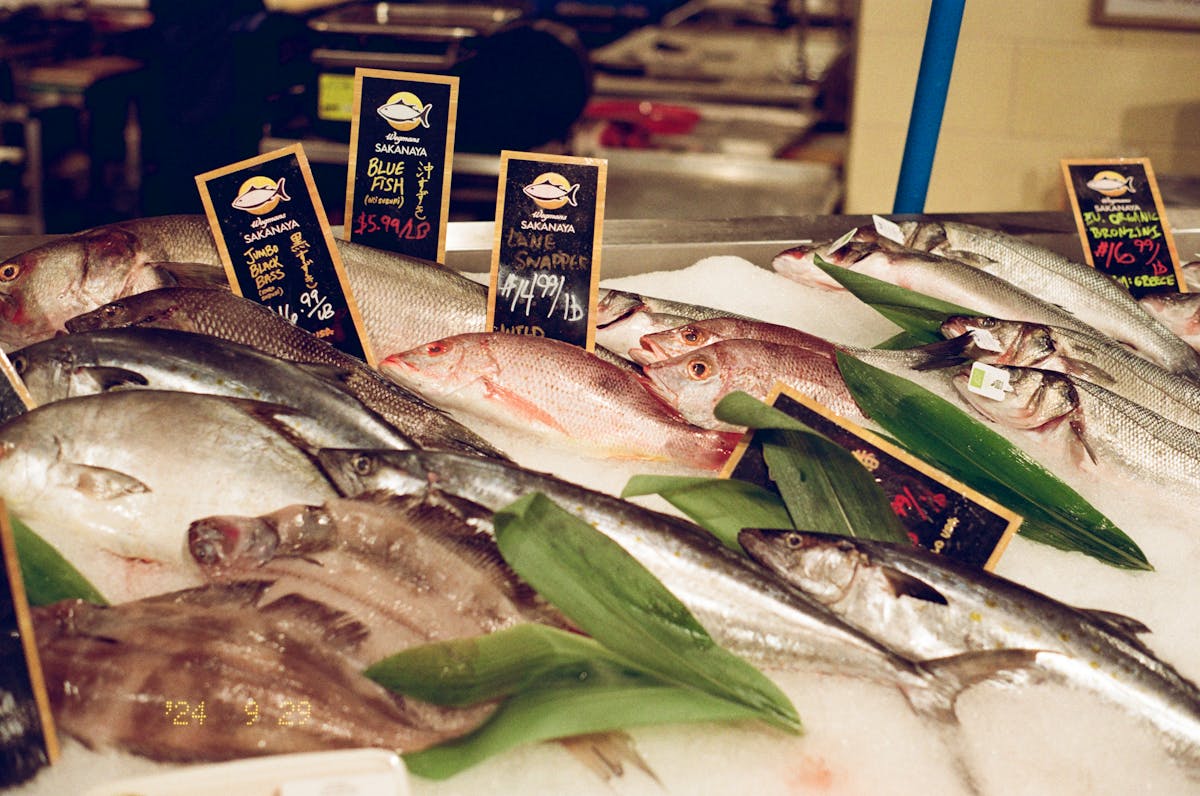
Forte dei Marmi's pescheria is not a spectacle. A small, low-ceilinged hall of tile and stainless steel sits a few minutes' walk from Piazza Garibaldi, staffed by families who have weighed fish for three generations and have no patience for a tourist who wants a photo of the eels. Come early, know what you want, and the place will repay the visit for the next three meals. Come at 11:45 with a sunburn and a camera, and it will already be being hosed down.
That broader Wednesday market — the one sold in brochures, with linens and leather and straw hats — is something else. It rolls out across the streets around the fish hall and is genuinely worth a walk. But the catch itself is a six-day operation, and quiet Thursdays and Fridays are often better buying than Wednesday's crush.
Arriving
Forte's own station — Forte dei Marmi–Seravezza–Querceta — sits about three kilometres inland, on the regional coastal line between Pisa and La Spezia. This is the common trap for first-time visitors, who assume the station is within walking distance of the pescheria and discover otherwise with a heavy bag at noon.
From there, sensible options are three: a local bus to the centre roughly twice an hour in summer (less in winter); a taxi at the rank, about seven minutes and €10–€15; or a rental bike on the flat lanes between station and sea. Drivers should note that central streets are ZTL-restricted during market hours and that free lots near the station fill before nine on Wednesdays. From Viareggio the regional train to Querceta takes twelve minutes; from Pisa, allow forty.
What the catch actually looks like
North of Livorno the Tyrrhenian is not a generous sea. It produces, on most mornings, a predictable list in modest quantities: acciughe (anchovies), triglie di scoglio (red mullet from rocky ground, distinct from the paler sandy-ground sort), branzino (sea bass), gamberi rossi (red prawns from deeper waters off the Apuan shelf), seppia (cuttlefish, best in spring), and seasonal runs of palamita (bonito), which arrive warm and leave cold.
What to look for, stall by stall:
- Acciughe. Eye bright, belly silver without cloudiness. Under €10/kg most days; a kilo feeds four generously as a primo with lemon and parsley.
- Triglie di scoglio. Scoglio is darker red and firmer than pale sandy-ground mullet; ask which the vendor has and do not accept hedging. Rock mullet grills; sandy mullet fries.
- Branzino. Wild (selvaggio) costs two to three times farmed. Eye test and gill colour matter. Whole or not at all — never steaks from an open counter.
- Gamberi rossi. Tyrrhenian reds are a fine prawn, eaten raw or barely seared. Expect €35–€55/kg in season. Ice-bright shell, dark roe, no ammonia note.
- Seppia. Spring is the season. Small ones go into a black-ink risotto; larger ones grilled whole and sliced.
- Palamita. Late-summer bonito, lean and dark, rehabilitated by local kitchens after years of being dismissed as cat food. Ask for a fillet. €12–€18/kg.
A small Tyrrhenian market proves itself when the vendor refuses a sale. At the Forte pescheria, on a slow Thursday, we have been talked out of a tired sea bass and into a better cuttlefish by a woman who was losing forty euros on the trade. That is the standard.
Two trattorie, walking distance
Two kitchens within four blocks of the pescheria are reason enough to come for travellers who will not be cooking. Neither is named here — Forte's restaurant landscape shifts every two summers, and a directory that hard-codes names becomes wrong faster than it becomes useful. But the types are stable, and finding each takes one polite question at the market itself.
First is a family-run seafood kitchen two blocks inland from the pescheria, on one of the quieter cross-streets east of Piazza Garibaldi. It takes reservations, works a short blackboard menu that changes with the catch, and runs a proper crudo of morning red prawns in high season. Two courses and a glass of Vermentino come in at €55–€75 a head. Book a day ahead in July and August; walk in without issue in April or October.
Second, closer to piazza Dante, is an older kitchen that does not accept bookings. Its room seats about twenty-eight, there is one blackboard, and the handwriting is not easy. On a Friday at one the queue forms outside the door; waiters will tell an honest truth about the wait. Cooking is plainer — grilled fish, a fritto misto of what the boats brought, a spaghetti alle vongole that is not improvised — and the bill runs roughly twenty per cent lower than the bookable kitchen. Go alone or as a pair; a table for five is a long wait.
A note on prices
Forte dei Marmi is expensive. Its fish market is not where that expense lives — retail at the pescheria runs broadly in line with markets in Viareggio or La Spezia, and occasionally lower. Markup sits in the restaurant rooms rented on the streets between the sea and the piazza, where summer covers run €110 a head before wine, and the bread charge alone will provoke comment.
| Species | Pescheria (retail, €/kg) | Trattoria (plated, per portion) | Notes |
|---|---|---|---|
| Acciughe | €6–€10 | €12–€16 | Cheapest daily catch, often the freshest |
| Triglie di scoglio | €22–€32 | €22–€28 | Grill or pan-fry whole |
| Branzino (wild) | €38–€55 | €32–€48 | Farmed runs roughly half these figures |
| Gamberi rossi | €35–€55 | €28–€40 (crudo, 6 pieces) | Season: roughly May – September |
| Seppia | €14–€22 | €18–€24 | Spring pick; summer stock is often frozen-thawed |
| Palamita | €12–€18 | €16–€22 | Late summer; ask for a cut fillet |
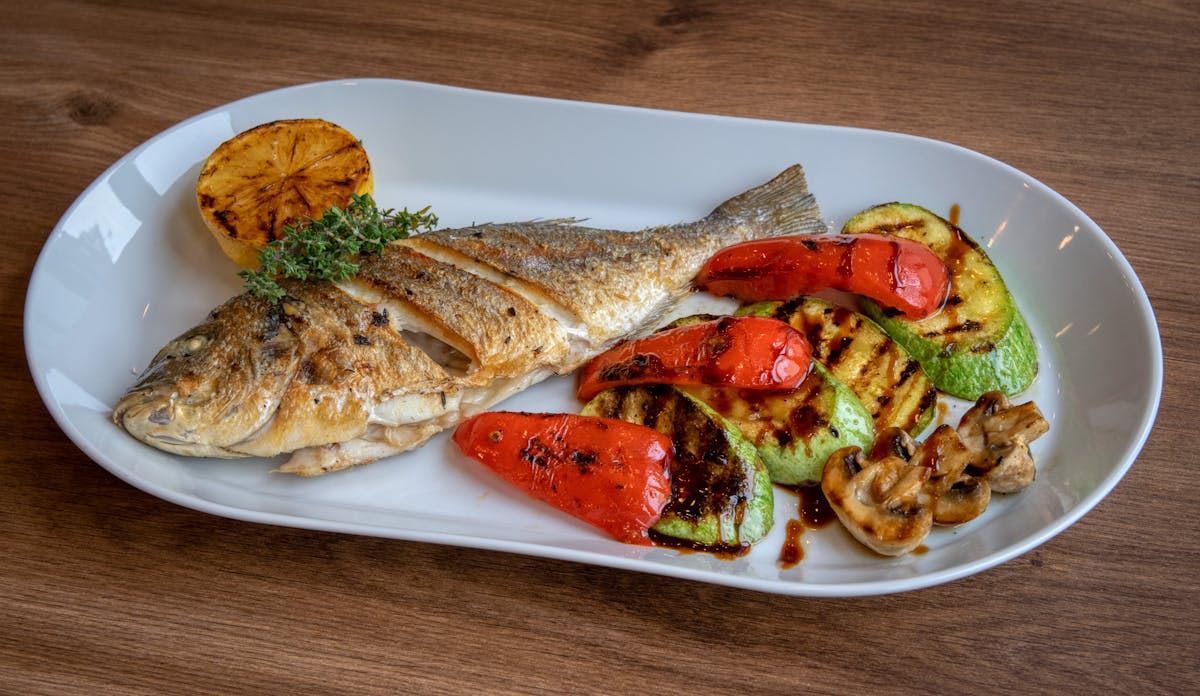
Gap between market and plate closes when the kitchen does less to the fish. A grilled branzino is barely marked up over retail; a branzino in crosta of puff pastry, with a sauce, is a very different bill.
Practical notes
- Language. English works at most stalls on the first try. Saying the species name in Italian (branzino, not "sea bass") closes a small gap in the respect owed.
- Payment. Cash still moves faster than card at three of the stalls. An ATM sits on the main piazza, three minutes away.
- Closed Mondays. Non-negotiable. Plan around it; do not test it.
- Holidays. Pescheria closes for roughly ten days in late February and again for four days at Ferragosto (mid-August). Check before travelling.
- Dress. Forte's seafront tolerates swimwear; the pescheria does not. Stalls will serve a tourist in a bikini, but other shoppers will look.
For the canal-side alternative in Viareggio, where boats unload directly at a basin rather than wholesalers distributing to counters, see The Canale Burlamacca Dawn Market. For a dry-land counterpoint — chickpea-flour street food that nobody raised on a Forte beach considers optional — see Cecìna & Farinata. Readers who have reached Forte for the bathing clubs rather than the fish will want Forte dei Marmi — The Striped-Cabana Belt. External cross-references: the official board at Visit Forte dei Marmi, Versilia pages at Lonely Planet, and restaurant listings at Tripadvisor — none a substitute for walking into the pescheria before eleven.